
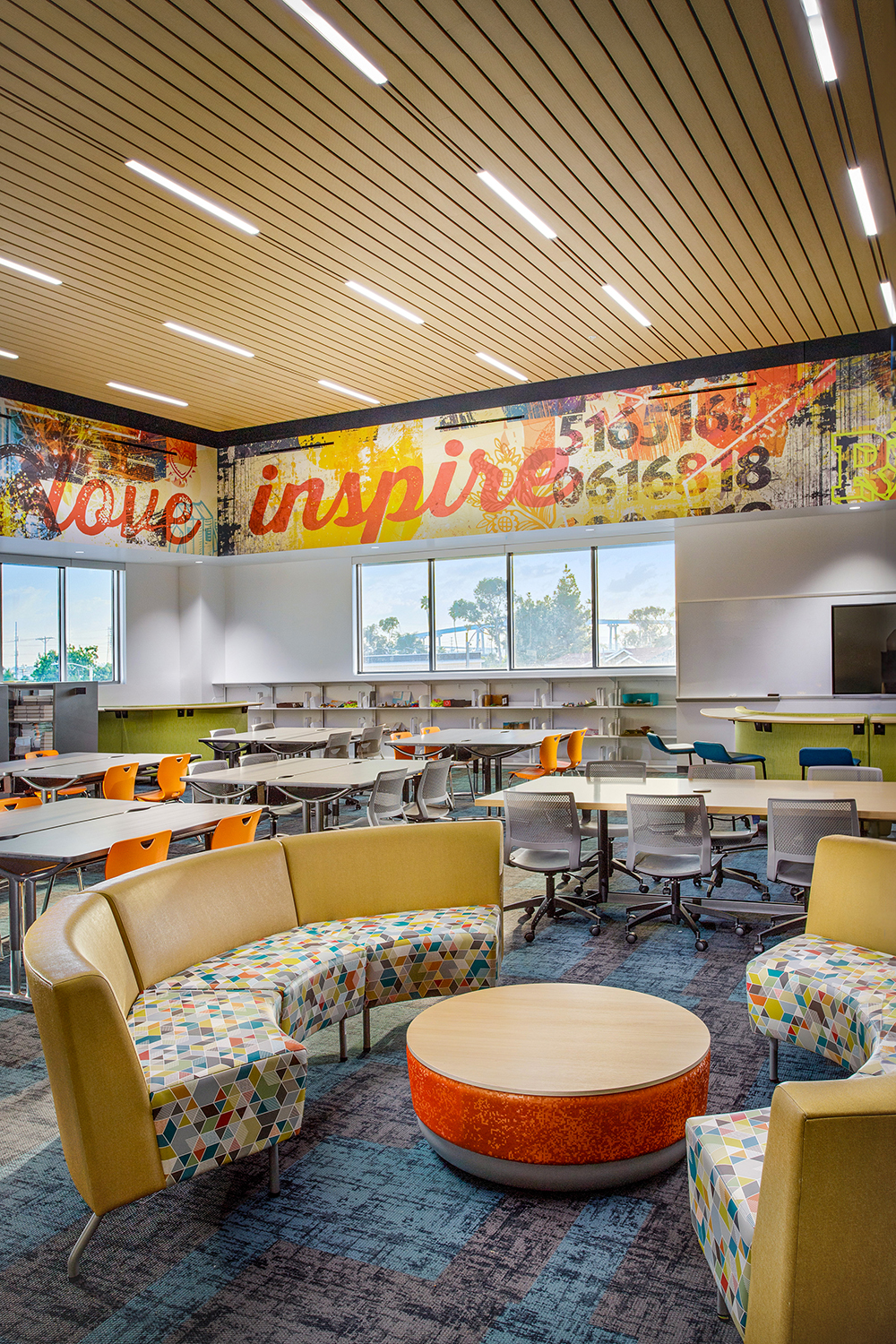
Why Accurate FF&E Documentation Matters in K-12 Projects
In K-12 education projects, FF&E documentation is often viewed as a technical requirement. In reality, it is a critical tool that protects educational intent, project budgets, and long term usability. Accurate, well coordinated FF&E documentation ensures that what is envisioned during design is what is ultimately delivered to students and educators.
When furniture documentation is incomplete or poorly coordinated, the consequences can include delays, budget overruns, installation conflicts, and classrooms that do not function as intended. In school environments, those issues directly affect daily teaching and learning.
Documentation connects vision to reality
FF&E documentation plays a unique role in K-12 projects because it translates educational vision into tangible outcomes. Programming discussions, visioning workshops, and stakeholder input all shape how learning environments should function. Documentation ensures those decisions are clearly captured, coordinated, and carried through every phase of the project.
Accurate documentation records not only what was selected, but why it was selected. When that reasoning is documented, design intent is protected as team members change, schedules shift, or value discussions arise. This clarity supports consistent decision making and avoids last minute compromises that can undermine learning goals.
Coordinated models reduce risk and rework
FF&E documentation is most effective when it is fully coordinated with architectural and interior design documents. Using BIM based workflows allows furniture layouts to be developed directly within the architectural model, aligning furniture with walls, doors, glazing, power, data, and circulation paths.
Accurate coordination helps teams identify potential conflicts early. Clearances, adjacencies, accessibility requirements, and infrastructure needs can be resolved during design rather than during installation. This proactive approach reduces costly rework and minimizes disruptions to school schedules.
Three dimensional models also support communication with district stakeholders by helping them visualize scale and relationships within the space. This shared understanding leads to more confident approvals and fewer surprises.
Precision matters in K-12 furniture selection
K-12 environments place high demands on FF&E. Furniture must meet expectations for durability, safety, accessibility, maintenance, and long term performance. Accurate documentation ensures that all selected products meet those criteria and are suitable for the environment in which they will be used.
Product verification is a critical part of the documentation process. Confirming dimensions, materials, model numbers, warranties, and performance attributes protects districts from receiving furniture that does not meet their needs or expectations. Clear documentation also supports consistency across classrooms and campuses, which is important for operations and maintenance.
Clear specifications support bidding and installation
Well organized FF&E documentation is essential during bidding and procurement. Detailed furniture schedules, coded plans, and clear specifications allow contractors and vendors to price accurately and consistently. When information is incomplete or unclear, bids often include assumptions, contingencies, or omissions that can lead to change orders later.
In K-12 projects, where public funding and schedules are often tightly controlled, minimizing bid phase questions and pricing discrepancies is especially important. Accurate documentation supports transparency and fairness while helping projects stay on track.
Installation phasing plans and coordinated drawings are equally important. Schools often require furniture to be delivered and installed in coordination with construction milestones, occupancy planning, or academic calendars. Clear documentation helps ensure installations happen smoothly and safely.
Documentation supports accountability and trust
Accurate FF&E documentation builds trust among school districts, design teams, and construction partners. When decisions are clearly documented and communicated, stakeholders understand how outcomes align with project goals and budgets.
Meeting summaries, decision logs, and coordinated drawings help maintain accountability across the team. This transparency supports smoother approvals, reduces miscommunication, and reinforces confidence in the process.
For districts, accurate documentation also becomes a long term resource. Furniture specifications and schedules are valuable references for future replacements, additions, or reconfigurations, extending the value of the design well beyond project completion.
Investing in documentation pays off
Accurate FF&E documentation requires time, coordination, and attention to detail, but the return on that investment is significant. Projects benefit from fewer conflicts, clearer communication, more accurate pricing, and learning environments that perform as intended.
In K-12 education projects, where furniture directly affects daily experience, documentation is not merely administrative. It is a tool that ensures learning environments are safe, functional, inclusive, and aligned with educational purpose.
When FF&E documentation is treated with the same care as architectural documentation, the result is a smoother project process and spaces that truly support teaching and learning.