
by Joleen Hultberg
A Conversation on Culture, Identity & Commercial Interiors.
Great design begins with listening. But what happens when the voices at the table come from different continents, cultures, and lived experiences?
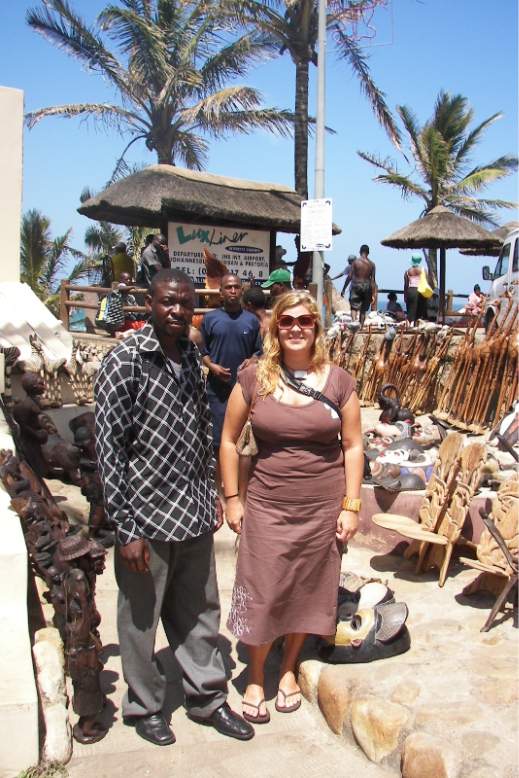
Growing up in South Africa and living in the United States for almost three decades has given me two distinct lenses through which to experience design. South Africa’s rich mix of cultures, landscapes, textures, colors, and traditions continues to influence my perspective, while living in the U.S. has taught me to see the familiar from a different point of view. I’ve learned that bringing a different cultural lens to design can reveal opportunities, create connection, and shape how people experience a space.
At our firm, I’m fortunate to work alongside designers whose stories span continents and cultures. I sat down with four of them. May Weng, originally from Thailand; Carolina Vanderpool, originally from Ecuador; Maryam Kaboli, originally from Iran; and Kassandra Aguilar, a first-generation Mexican American. To explore how their backgrounds influence the way they approach space, materials, gathering, and the human experience in commercial interiors.
A Thai Perspective
A Conversation with May Weng
Growing up in Bangkok, May experienced a city where modern luxury exists alongside centuries-old traditions and everyday street life. That contrast shaped her understanding of space as something adaptive, layered, and constantly evolving.
Joleen: How has growing up in Thailand shaped the way you see space?
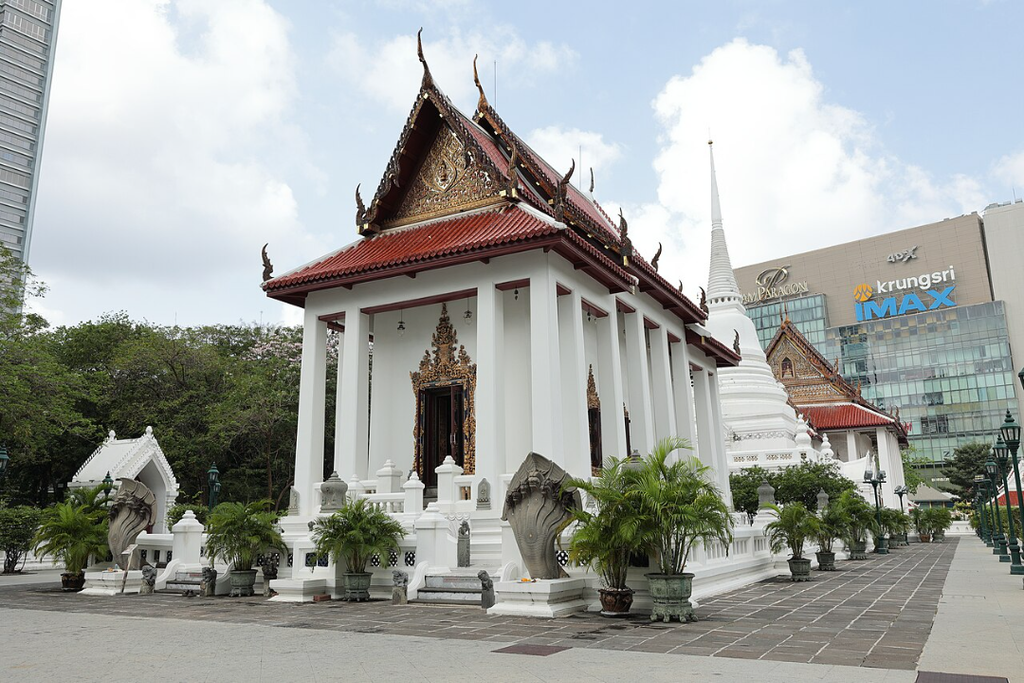
May: Growing up in the heart of Bangkok meant living in a city that never felt uniform. I was surrounded by street vendors outside modern condos, with a 7-Eleven next to a 200-year-old temple. At the same time, I was exposed to polished luxury environments like hotels and malls designed by top design teams.
These places existed just steps away from informal street life. As a result, I see space as adaptive and layered, where intentional design and improvisation can coexist.
Joleen: What cultural design principles from Thailand do you hope to carry forward in your work?
May: In Thailand, Feng Shui, referred to as “Huang Jui,” is a blend of ancient Chinese philosophy and Thai spiritual tradition. It isn’t simply about the look of a space, it considers how the environment functions for the people using it.
I hope to carry this idea into my work not by strictly following rules, but by approaching design with both logic and flow, creating environments that feel harmonious and supportive.
Joleen: Are there materials or details from your culture that you naturally gravitate toward?
May: I naturally gravitate toward warm, natural materials such as wood, bamboo, and rattan. I’m also drawn to the intricate, jewel-like ornamentation characteristic of Thai design.
Joleen: How does being a young designer working in a new country shape your perspective?
May: Starting a career in a new country gives me both confidence and humility. I gain confidence from experiencing another side of the world and seeing how design operates in a completely different context. At the same time, I’m reminded of how much I don’t know from unfamiliar systems and standards to cultural nuances, down to the feet and inches, literally.
An Ecuadorian Perspective
A Conversation with Carolina Vanderpool
Carolina’s background in Ecuador, combined with her experience as an architect, designer, and mother, brings a strong appreciation for nature, craftsmanship, warmth, and real-life functionality.
Joleen: How has growing up in Ecuador shaped the way you see space?
Carolina: Ecuador is a very green and diverse country, which has a big impact on how I see design. I always try to bring natural light and nature into my projects.
Joleen: What cultural principles from Ecuador do you hope to carry forward in your work?
Carolina: In Ecuador, there is a strong tradition of using “honest” materials, things that come from the earth. I try to carry that forward by using natural materials like wood to connect the indoors with the landscape, as well as plants whenever I can.
Joleen: Are there materials or spatial elements you naturally gravitate toward?
Carolina: I definitely gravitate toward wood, brick, large windows, and lots of natural light. In Ecuadorian homes, we often use these to make a space feel open and connected to the outside.

Joleen: How do you think your background influences the way you approach commercial interiors?
Carolina: I think about flexibility, longevity, and real-life function. Commercial spaces aren’t just brand statements; they are lived-in environments for people balancing work and life.
My background also reminds me to think about how different cultures use shared space and how important it is for environments to feel welcoming and connected.
Joleen: What does diversity bring to a design team?
Carolina: Diversity makes a team better because everyone brings different points of view. When you have people from different backgrounds, you get more creative ideas and better ways to solve problems. By supporting each other’s strengths, we can make sure every project is a success.
An Iranian Perspective
A Conversation with Maryam Kaboli
Maryam’s perspective is rooted in Iran’s rich tradition of architecture, art, geometry, craftsmanship, and symbolism. Now beginning her career in the United States, she is learning to translate that heritage into a contemporary design language.
Joleen: How has growing up in Iran influenced the way you see and design spaces today?
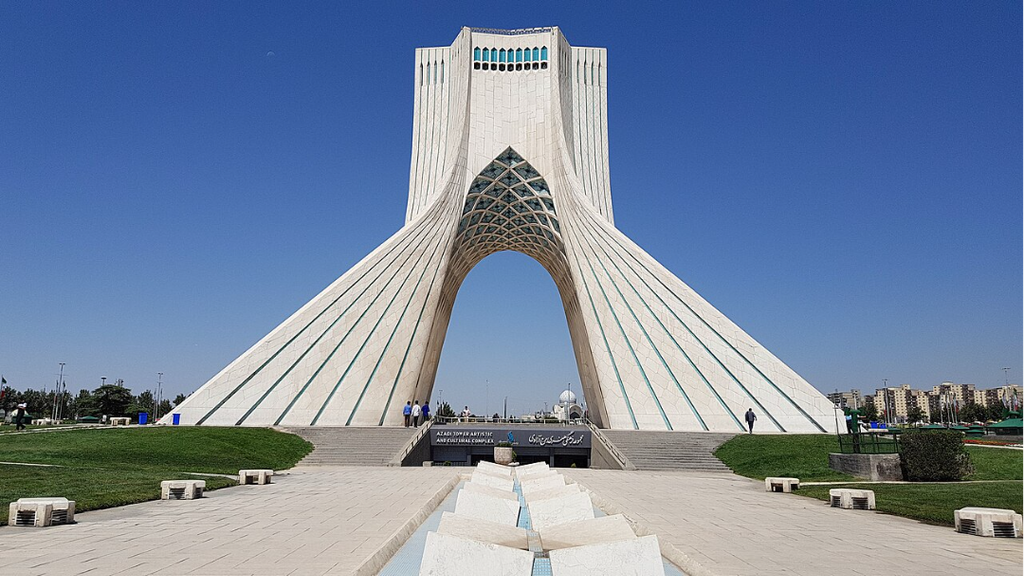
Maryam: Growing up in Iran has had a strong impact on how I see and understand space. Traveling to different cities exposed me to a wide range of architectural styles, traditional crafts, and regional design identities. Each city had its own character, and that diversity shaped my visual awareness.
Even at home, I was surrounded by design. I remember studying the patterns of Persian carpets and being drawn to their rhythm and detail. Color, texture, and ornament were always part of my environment, and over time they became part of my design instincts.
Joleen: Are there design ideas from Iran that you naturally bring into your work?
Maryam: Because every project needs to align with its specific goals and the client’s vision, I can’t always incorporate direct or obvious elements of Iranian architecture. That said, the influence shows up in more subtle ways.
I naturally pay close attention to detail, color, and layering different patterns and textures. Even when the final result feels contemporary and aligned with the project’s context, that sensitivity to richness and composition comes from my cultural background.
Joleen: How do you balance honoring tradition while designing in a contemporary American context?
Maryam: Designing in California requires a different balance, so I try to translate that richness into a more contemporary and locally relevant language. My goal is always to create spaces that feel welcoming, thoughtful, and full of life, spaces that people genuinely feel good being in.
Joleen: What perspective do you feel you bring to our team that might otherwise be missing?
Maryam: Growing up in Iran and then building my life and career in the United States has given me a dual lens through which I see design and space.
I tend to approach projects with a heightened awareness of cultural context, emotional atmosphere, and layered meaning. At the same time, living and working in the U.S. has taught me to value clarity, functionality, and contemporary design systems.
It’s less about being different from someone who grew up here, and more about bringing an additional layer of experience to the table. That blend allows me to see opportunities that might not be immediately obvious and approach design challenges from multiple angles.
A Mexican American Perspective
A Conversation with Kassandra Aguilar
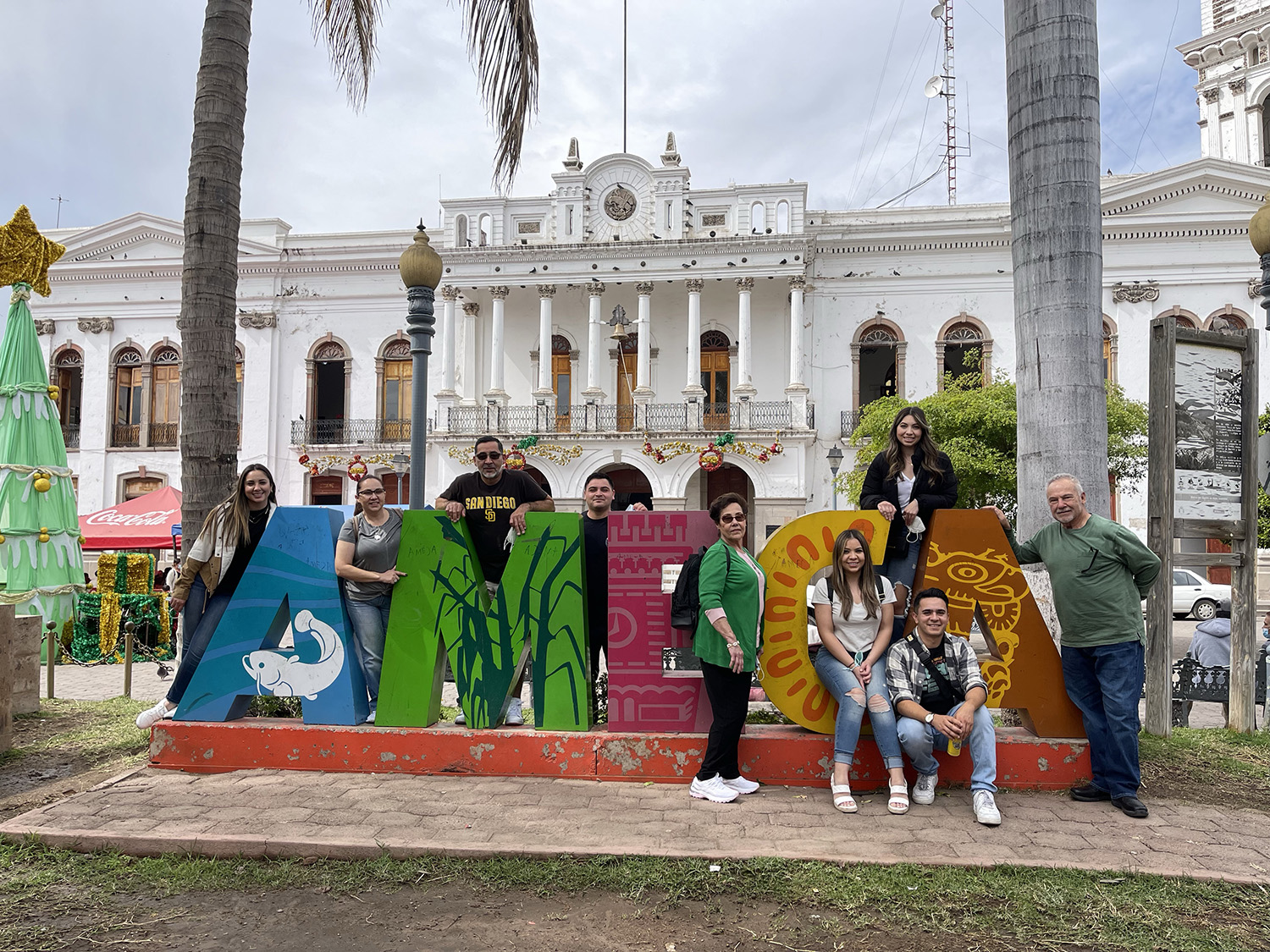
Kassandra’s perspective is shaped by growing up in the United States with Mexican heritage. Rather than navigating a move between countries, her experience reflects something equally powerful: growing up between two cultures and learning that there isn’t necessarily one “right” way to experience or use a space.
Joleen: Growing up in the U.S. with Mexican heritage, were there aspects of your family or culture that influenced the way you experienced spaces growing up?
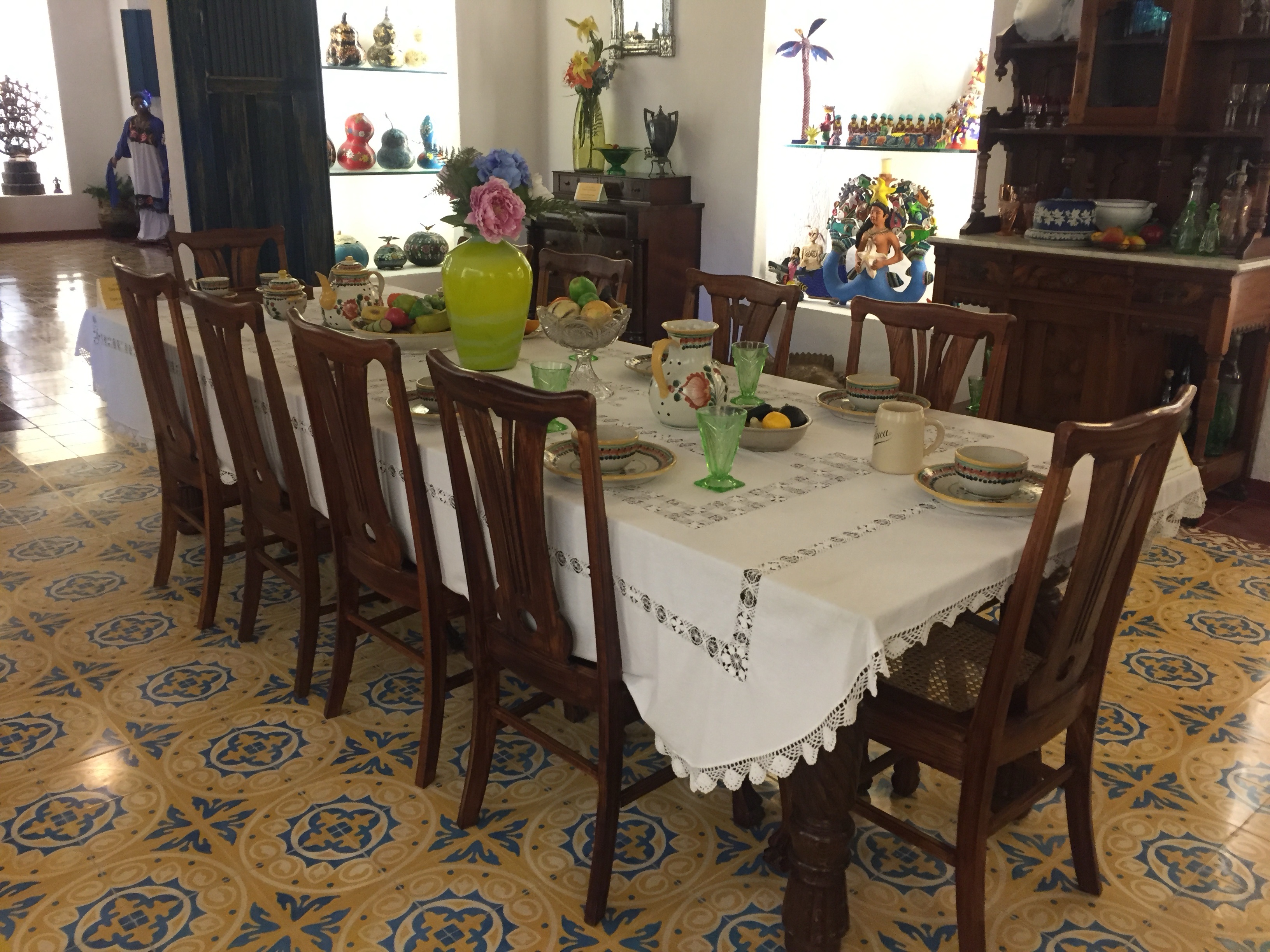
Kassandra: I think one of the biggest influences was seeing how important the home was as a place for family. There was often a sense that spaces needed to accommodate more than just the people who lived there. Home welcomed extended family, friends, celebrations, meals, and just people coming and going.
I became very aware that a space can feel welcoming or unwelcoming based on how it allows people to interact.
Growing up between Mexican and American cultures also made me more aware that there isn’t necessarily one “right” way to use a space. Different families have different traditions, expectations, and ways of gathering, and I think that awareness has carried into how I approach design.
Joleen: Are there particular memories or traditions from your family that you find yourself carrying into your approach to design?
Kassandra: The importance of gathering around food and spending time together. Some of my strongest memories involve family getting together, eating, talking, and having people around even when there wasn’t necessarily a special occasion.
That makes me think about design beyond just whether something looks good or functions technically. I think about: Does this make people want to stay? Does it encourage conversation? Does it feel comfortable enough that people can connect?
There isn’t one approach to designing a space for gathering. The way a space should function really depends on the client’s goals, the people using it, and what community means to them. Understanding those differences and designing around them is what makes a space feel truly meaningful and welcoming.
Joleen: Do you think being surrounded by two cultures has changed the way you look at design or problem-solving?
Kassandra: Yes. I think it has made me more adaptable and open-minded. Growing up with two cultural perspectives taught me that people can look at the exact same situation and have completely different interpretations of it, and neither perspective is necessarily wrong.
That translates well into design because you’re constantly balancing different perspectives, the client, the end user, the architect, the contractor, the budget, and the designer.
I think having that cultural perspective helps me step back and ask, “Why does this person see it differently? What am I missing?” instead of immediately assuming there is only one solution.
The Power of Perspective
Although our backgrounds and experiences are different, there is a common thread: culture influences how we understand light, proportion, materials, privacy, gathering, and connection.
From Thailand comes an appreciation for harmony, flow, and layered environments. From Ecuador, a connection to nature, warmth, craftsmanship, and community. From Iran, an appreciation for detail, pattern, color, and emotional depth. From Mexico, through Kassandra’s Mexican American experience, comes a deep understanding of family, gathering, connection, and the many ways people come together. And from my own South African background, I bring an appreciation for resourcefulness, honest materials, texture, and the relationship between environment and community.
Together, these perspectives create something greater than any one point of view.
Designing from a different cultural perspective isn’t about standing apart, it’s about bringing something distinct to the table. It’s about questioning assumptions, seeing possibilities from another angle, and allowing our differences to challenge, inspire, and ultimately strengthen the work.