In K-12 education projects, FF&E should never be treated as a finishing layer added after the architecture is complete. Furniture directly shapes how students move, engage, focus, collaborate, and feel a sense of belonging throughout the school day. When FF&E decisions begin with educational purpose, learning environments become more effective, more inclusive, and more adaptable over time.
Furniture as an instructional tool, not an afterthought
Every classroom, collaboration zone, and shared space supports specific learning behaviors. Whether students are working independently, collaborating in small groups, participating in hands-on activities, or engaging in quiet reflection, the furniture they interact with either supports those activities or works against them.
Designing FF&E with educational purpose means understanding how instruction actually happens. It requires listening to educators, administrators, and support staff to learn how spaces are used day to day. Furniture decisions should reinforce teaching methods and curriculum goals rather than forcing teachers and students to adapt to static layouts or limited options.
When furniture planning is rooted in instructional needs, classrooms feel intentional rather than generic, and spaces support learning rather than simply housing it.
Why It’s important to start FF&E coordination early in the design process
A purpose-driven FF&E process starts well before layouts or product discussions. Site walks and programming conversations provide critical insight into what is working, what isn’t, and where opportunities exist. Educators bring valuable perspective on classroom routines, storage needs, movement, supervision, and student interaction that cannot be captured through drawings alone.
Structured programming tools and visioning workshops allow project teams to explore how learning environments can evolve. These conversations help identify priorities such as flexibility, collaboration, sensory support, or student agency. When this input is organized into a clear programming framework, it becomes the foundation for every FF&E decision that follows.
This approach ensures furniture layouts and selections are not driven by trends or assumptions, but by real instructional needs.
Supporting joy and engagement through intentional design
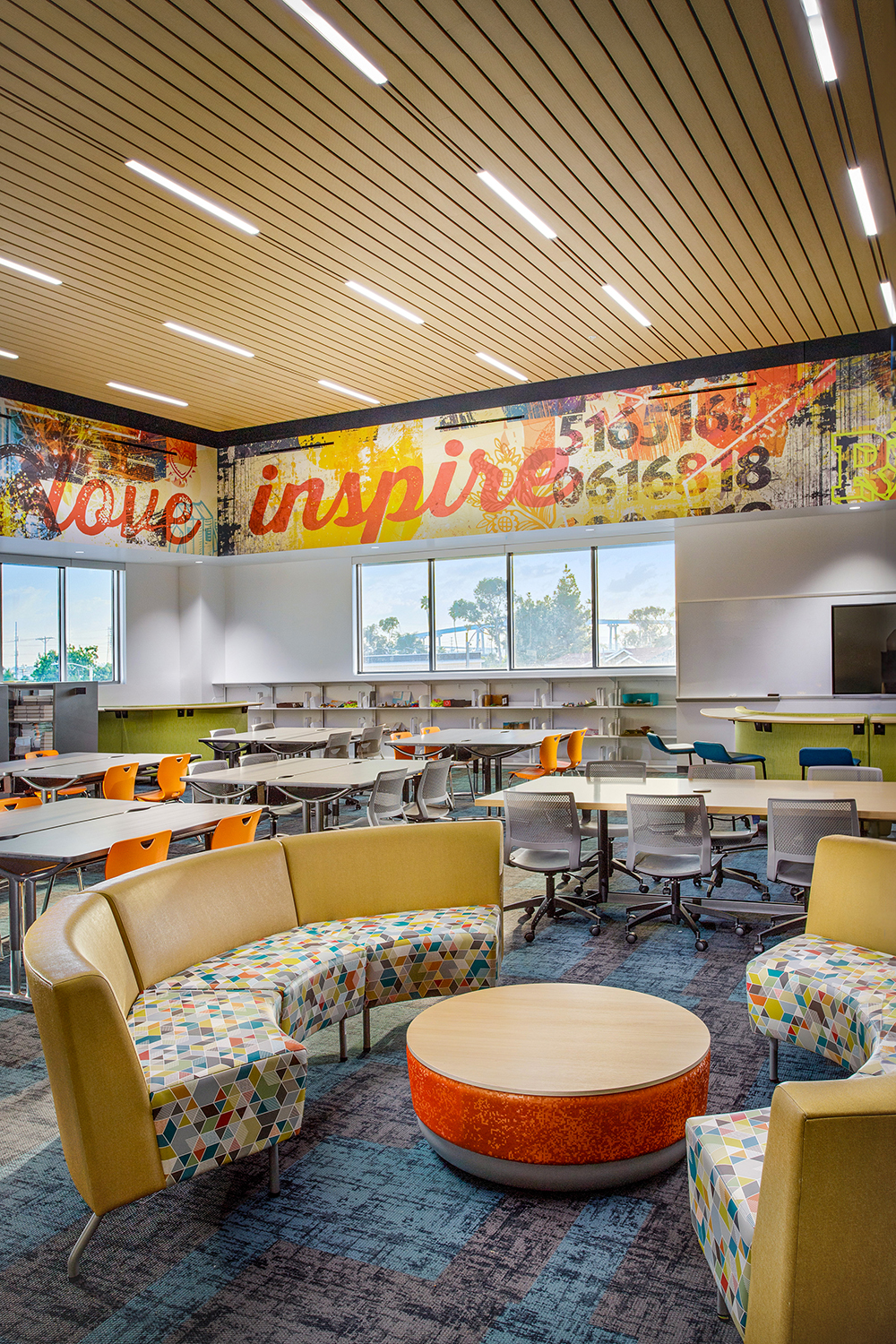
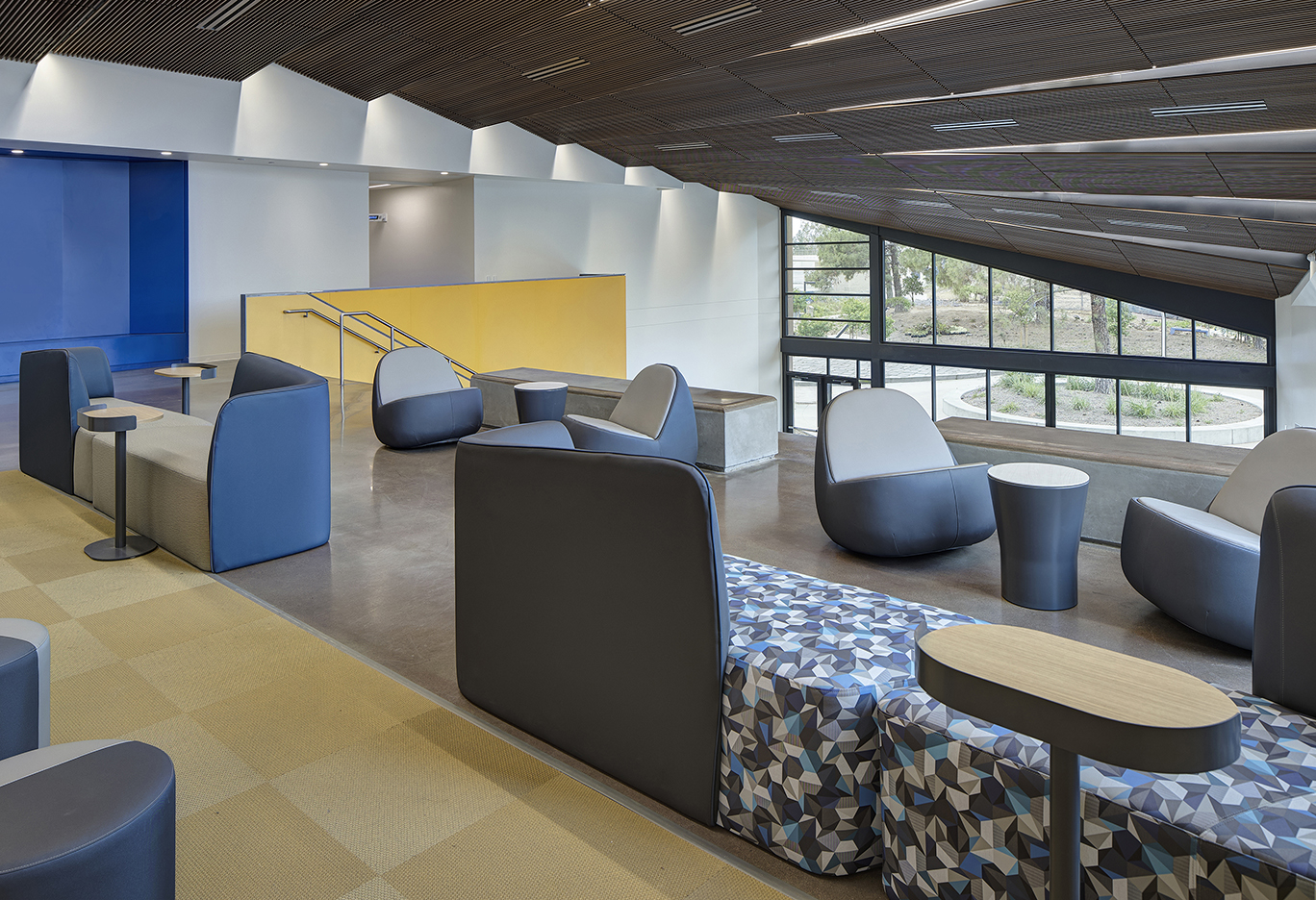
Learning is an active, whole-body experience. Students benefit from environments that allow them to move, shift posture, collaborate, and choose how they engage throughout the day. Purpose-driven FF&E design supports this by providing a variety of seating types, work surfaces, and gathering areas within a single space.
Rather than relying on one dominant furniture type, classrooms and shared spaces can offer options that support different activities and comfort levels. This variety encourages engagement and helps students remain focused and energized. When furniture is thoughtfully selected and arranged, spaces feel welcoming and joyful rather than rigid or overstimulating.
Belonging begins with inclusive furniture planning
Designing for educational purpose also means designing for diversity. Students learn in different ways and bring different physical, sensory, and social needs into the classroom. Inclusive FF&E planning recognizes these differences from the start rather than treating them as exceptions.
By building choice and flexibility into furniture layouts, learning environments can support a broad range of learners without drawing attention to differences. Inclusion is most successful when it is embedded in the design, allowing every student to participate meaningfully and comfortably.
Furniture becomes a quiet but powerful contributor to student belonging when it supports equity, dignity, and agency.
Aligning FF&E with architectural intent
Educational purpose does not exist independently from architecture. Furniture must work in harmony with the building design, supporting circulation, sightlines, access to power and data, and acoustic considerations. When FF&E planning is coordinated closely with architectural and interior design teams, furniture reinforces spatial intent rather than competing with it.
This alignment allows learning environments to function as cohesive systems where space, furniture, and instruction are fully integrated. The result is a smoother experience for students and educators and fewer compromises during implementation.
Designing for today while planning for tomorrow
Instructional practices and educational priorities continue to evolve. Purpose-driven FF&E design considers not only how spaces will be used on day one, but how they can adapt over time. Flexible furniture solutions allow classrooms and shared spaces to respond to changing curriculum, new teaching methods, and shifting student needs without requiring major renovations.
Durability, adaptability, and long-term value are essential considerations in K-12 environments. When furniture supports change rather than resisting it, districts are better positioned to respond to the future with confidence.
Purpose leads to better learning environments
The success of FF&E in K-12 schools is measured by how well it supports learning, inclusion, and daily experience. When furniture design begins with educational purpose, it strengthens the connection between instruction and environment. Classrooms function more intuitively, students feel supported, and educators gain spaces that work with them rather than against them.
Thoughtful, purpose-driven FF&E design is not about having more furniture or more choices. It is about making the right choices, for the right reasons, in service of meaningful learning.